Myth
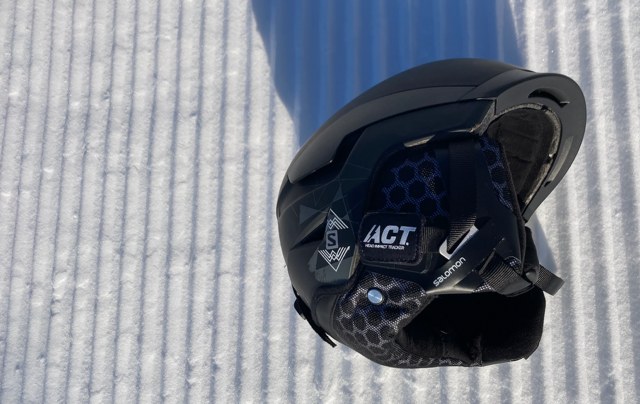
“A helmet keeps me fully protected from brain injuries.”
Reality. Helmets are excellent at protecting against skull fractures, cuts, bruising, and other soft-tissue damage, and some can reduce the magnitude of certain impact forces. But brain injury like concussion is caused by movement of the brain inside the skull, which a helmet cannot fully prevent. Always wear a helmet – just don’t expect it to protect you against concussions or sub-concussive events.
Myth
“A mouthguard protects against brain injuries.”
Reality. Mouthguards protect teeth, gums, and the jaw. They are not designed to absorb or dissipate the forces associated with rapid head or brain movement. Wear one to protect your mouth – but it won’t protect your brain.
Myth
“I didn’t hit my head, so there’s no risk.”
Reality. A sudden forceful jolt to the head or torso can cause a traumatic brain injury without any direct impact at all. The key risk factor is the rapid movement of the head – not whether something physically struck it.
Myth
“Repetitive heading or impact training makes the brain more resilient.”
Reality. Current scientific evidence does not support this as a protective strategy. While individual low-magnitude events may not pose a significant acute risk, cumulative exposure over time is concerning. The goal should be quality – fewer, better – not quantity.
Myth
“I played for years and I’m fine – this is overblown.”
Reality. Not all athletes sustain permanent damage, but too many do. Equipment and science have improved – but so has the game’s intensity, speed, and force, and the time spent training and playing. Any one athlete injured unnecessarily is one too many. Scientific evidence cannot and should not be dismissed based on individual experience.